


What Downtown Leaders Kept Talking About At IDA Place Matters 2026
Table of contents
From operations and public safety to placemaking, staffing, outreach, and incremental development, several themes kept resurfacing across conversations in Madison this year.
One of the most valuable parts of IDA Place Matters each year is hearing what downtown leaders talk about once conversations move beyond formal presentations and into real operational reality.
The sessions themselves are useful, of course, but many of the most interesting insights tend to surface during facilitated forums, side conversations, roundtables, and discussions between people trying to solve remarkably similar problems in very different cities.
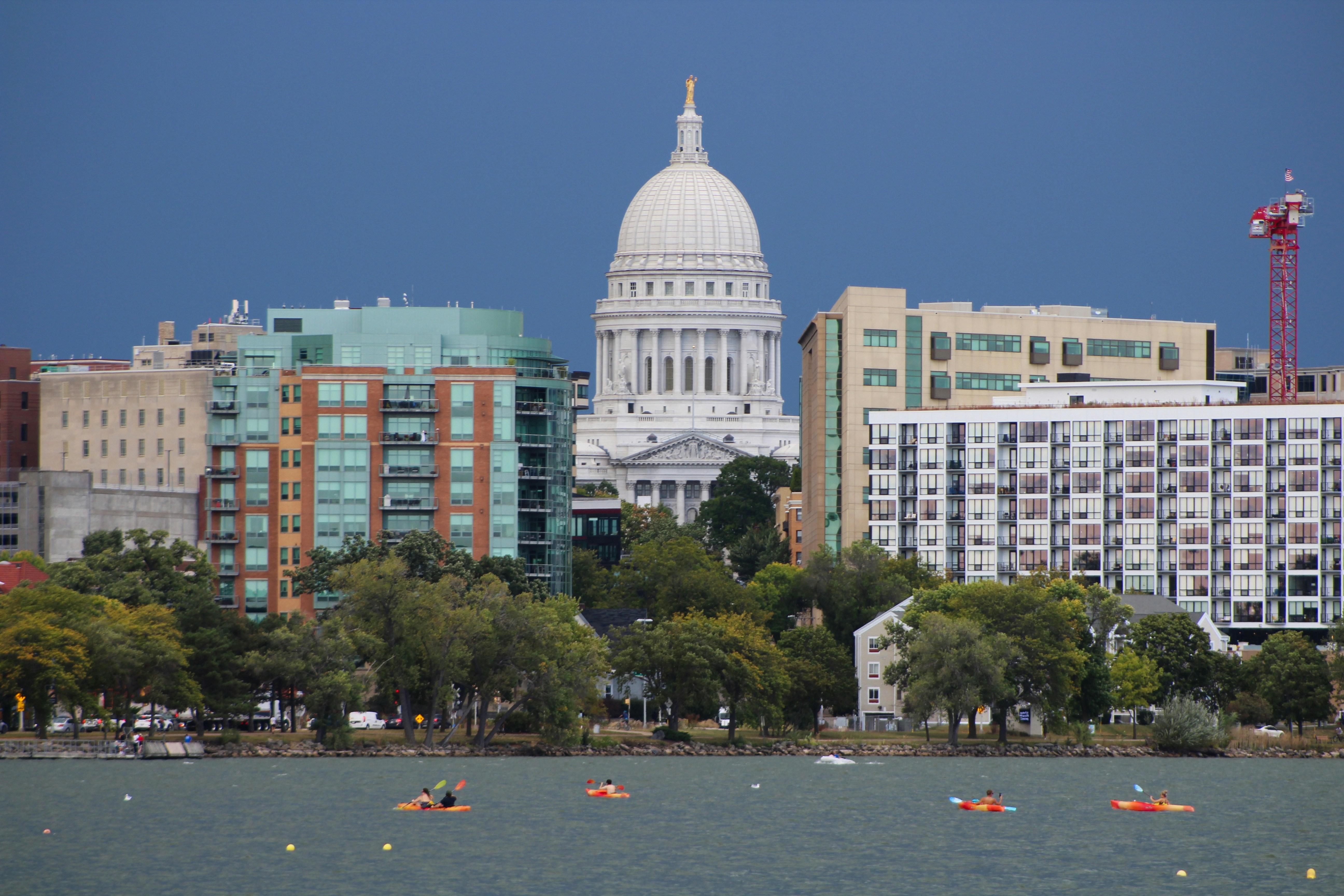
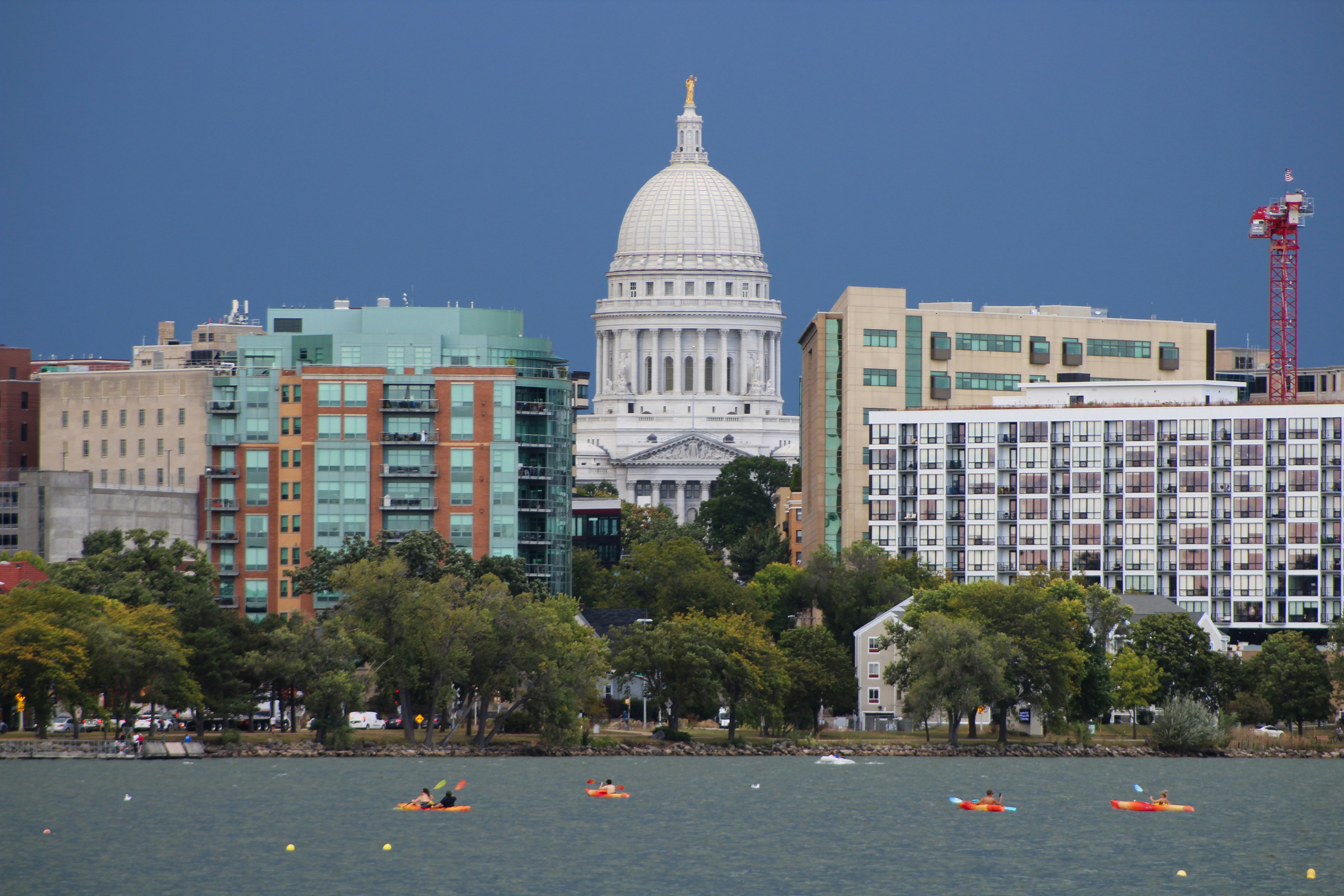
At IDA Place Matters 2026 in Madison, several themes kept resurfacing across those conversations.
Some centered around public safety and outreach. Others focused on staffing, operational visibility, placemaking, or economic development. But many of them seemed connected by the same broader challenge: downtown organizations are being asked to manage increasingly layered responsibilities while still creating places people genuinely want to spend time in.
- Local Success Stories
- Tailored Use Cases
- Integration & Migration Synergies

Downtown Operations Are More Visible Than Ever
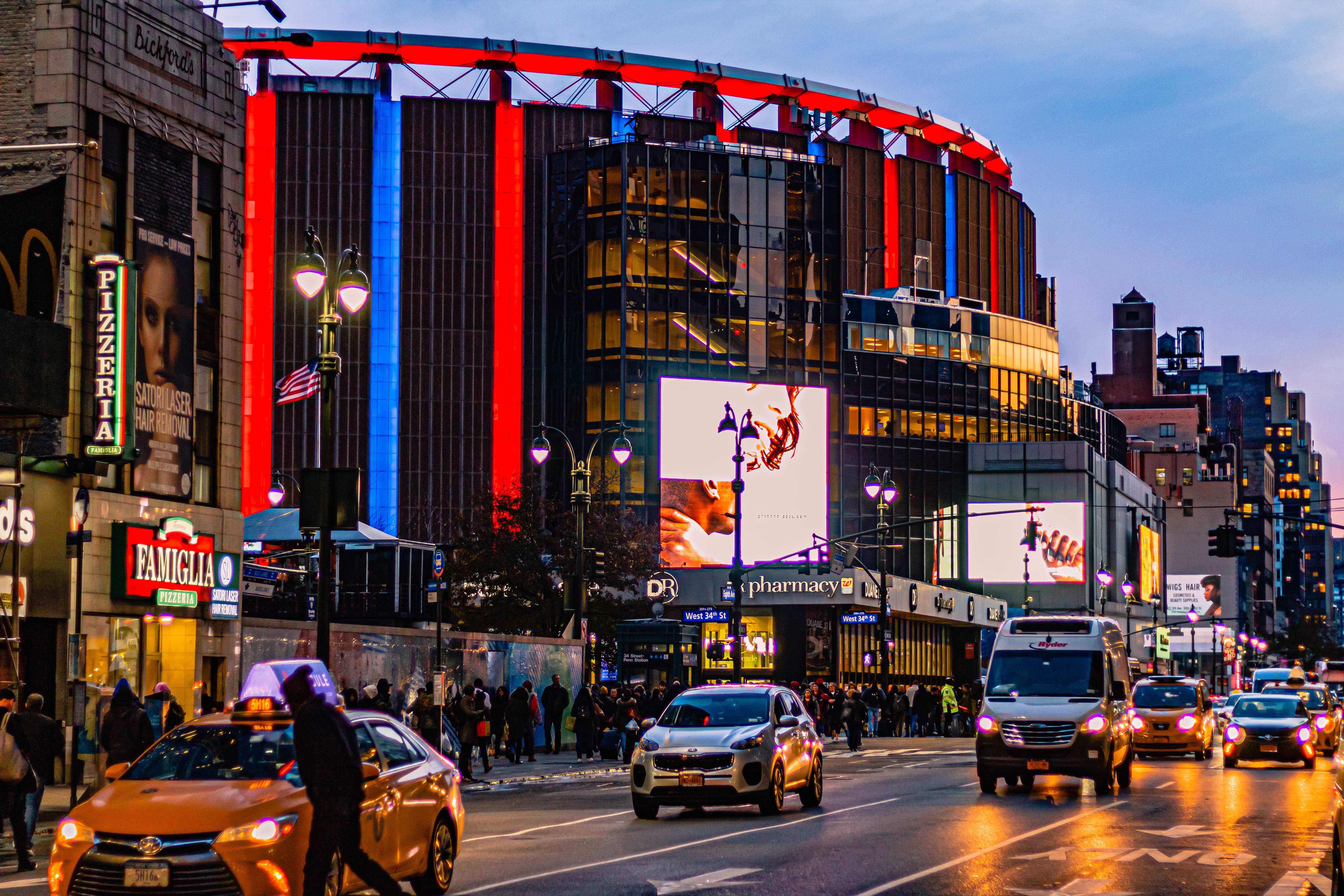
One thing that came up repeatedly throughout the week was how much operational work now shapes public perception directly.
Clean sidewalks, quick graffiti removal, lighting, maintenance, hospitality presence, public space management, outreach coordination, and consistency across the district all increasingly influence how people feel about a downtown.
Several leaders noted that visitors rarely separate “operations” from “experience.” To most people walking through a district, everything blends together into a single impression of whether the place feels cared for, functional, welcoming, and safe.
That means even relatively small operational decisions can have an outsized emotional impact.
One speaker from Cedar Rapids joked that they often receive more positive feedback for power washing sidewalks and removing bird droppings than for much larger development announcements. It was funny, but the point clearly resonated with the room.
Visible consistency builds confidence.
And in many downtowns right now, confidence itself has become an important form of infrastructure.
Incremental Improvements Are Creating Bigger Momentum
Another strong theme throughout the conference was the growing belief that small visible improvements are not separate from larger economic development efforts. In many cases, they are what help create the conditions for larger investment to happen later.
A session titled Incrementalism as Innovation focused heavily on this idea.
Speakers shared examples of relatively modest projects producing much larger ripple effects over time.
In Milwaukee, a long effort to create a downtown dog park beneath an underutilized freeway corridor eventually helped catalyze a $30 million brewery and event venue development nearby.
In Cedar Rapids, a $65,000 interactive LED sign installed in an overlooked public space generated enough foot traffic and visibility that the city later committed millions toward broader area improvements.
Another speaker described smaller investments as “bread crumbs that lead to larger developments.”
That phrase stayed with us because it captured something many downtown organizations seem to understand intuitively. Large catalytic projects rarely emerge in isolation. They tend to follow periods where districts consistently demonstrate care, momentum, experimentation, and visible activity over time.
Several conversations also highlighted how incremental projects often feel more tangible to the public than long term redevelopment plans that may take years to materialize.
People notice planter beds. Murals. Cleaner sidewalks. Lighting improvements. Activated storefronts. Temporary programming. Public art. Shade structures. Small gathering spaces.
And over time, those visible signals begin shaping how people perceive the district itself.
Downtown Organizations Are Becoming Coordinators Across Complex Systems
Another recurring conversation throughout Madison centered around coordination.
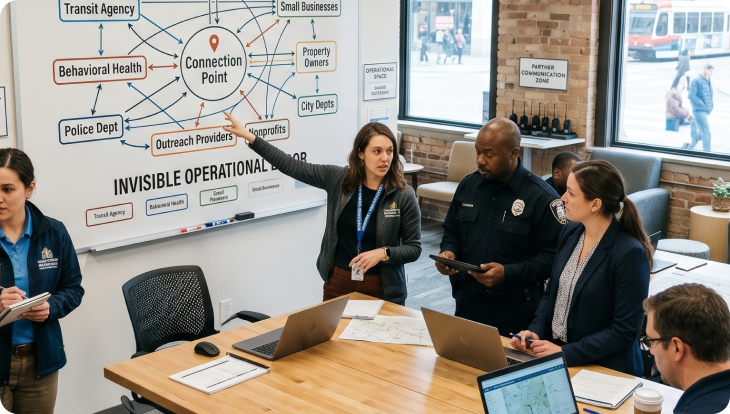
Downtown organizations increasingly operate between city departments, outreach providers, behavioral health teams, property owners, transit agencies, police departments, nonprofits, small businesses, hospitality teams, and community stakeholders simultaneously.
That level of coordination creates a surprising amount of invisible operational labor.
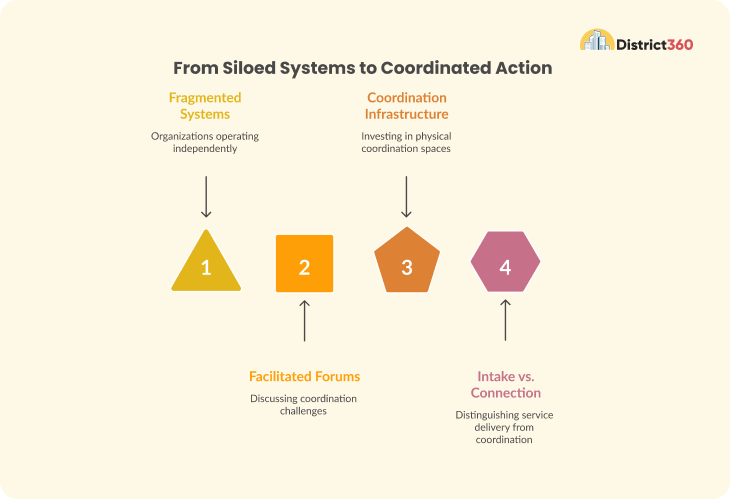
Several facilitated forums focused on the reality that many challenges facing downtowns today are not caused by a lack of effort from individual organizations. More often, the issue is that systems are fragmented, siloed, or operating independently while trying to respond to overlapping public issues.
One session around homelessness outreach explored how some downtowns are now investing in physical coordination infrastructure itself.
Examples included day service centers, dispatch hubs, visitor centers with outreach referral capacity, and operational spaces designed to improve communication between partners working in the same public realm.
A particularly interesting idea from the session was the distinction between an intake center and a connection point.
One speaker described their outreach hub not as a place where services permanently happen, but as a space that helps different teams coordinate more effectively behind the scenes while outreach continues happening throughout the district itself.
That distinction reflected a broader theme that surfaced often throughout the week:
Downtown organizations are increasingly acting as connectors, facilitators, and relationship managers between systems that were never originally designed to work together smoothly.
Public Safety Conversations Are Becoming More Nuanced
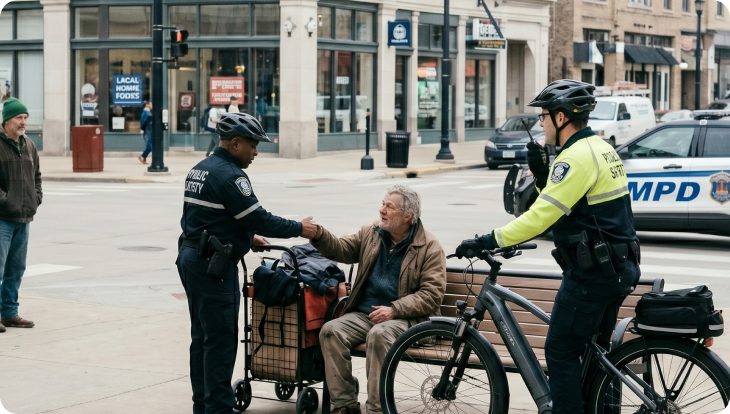
Public safety remained one of the most discussed topics throughout the conference, though the conversations themselves felt far more layered than simple enforcement discussions.
Operations leaders openly discussed challenges related to retail theft, youth violence, unmanaged waste, hospitality pressures, and navigating public concerns around unhoused populations.
At the same time, many organizations also emphasized relationship building, visibility, responsiveness, and coordination as equally important parts of public safety work.
Several downtowns shared positive experiences using e bikes for ambassador and public safety teams because they allow staff to move quickly while still remaining approachable and visible within the public realm.
Others discussed the importance of strong working relationships with police departments, outreach providers, and city agencies, especially when responding to situations that require coordination rather than isolated response.
One particularly important theme throughout multiple sessions was the idea that people experiencing homelessness are also downtown stakeholders.
That framing noticeably changed the tone of several conversations.
The discussions became less about “removing problems” and more about how downtown organizations can build systems that are realistic, humane, coordinated, and sustainable over time while balancing the expectations of businesses, residents, visitors, and public agencies simultaneously.
Some organizations even shared examples of hiring unhoused individuals into clean and safe programs as pilot initiatives that helped strengthen both workforce participation and community relationships.
Downtowns Are Thinking More Intentionally About Emotional Connection
One of the more interesting shifts throughout Place Matters this year was how often conversations returned to emotion, belonging, and public experience.
Several sessions focused on the idea that downtown success cannot only be measured through foot traffic, tax revenue, occupancy, or event attendance alone.
The conversation around “Return on Emotion” explored how public art, placemaking, and immersive experiences help shape emotional connection to place over time.
The central argument was that emotionally connected visitors are significantly more valuable to a district than people who are merely satisfied with it.
That idea influenced discussions around public art, gathering spaces, temporary installations, and interactive experiences throughout the week.
One speaker described public art as “emotional infrastructure,” while another discussed how downtowns increasingly function as emotional ecosystems rather than purely economic zones.
Several examples from Manhattan’s Flatiron NoMad Partnership showed how installations paired with scavenger hunts, storytelling, local business tie ins, tours, and interactive programming created stronger engagement than static installations alone.
Another installation used sound interaction and large scale sculpture to create immediate emotional impact as visitors entered the district.
What stood out most throughout these conversations was the recognition that placemaking is not only about beautification or activation anymore.
More downtown organizations are beginning to think intentionally about how places create joy, trust, curiosity, calmness, belonging, and emotional safety for the people moving through them every day.
One quote from the session seemed to quietly summarize that entire discussion:
“Life is hard. Joy matters.”
Downtown Organizations Are Being Asked To Do More With Less
Several facilitated forums also revealed how much internal pressure many downtown organizations are currently navigating behind the scenes.
Executive directors spoke candidly about balancing increasing expectations from city governments, staffing strain, evolving workplace expectations, and pressure to take on responsibilities that often extend far beyond original organizational mandates.
One recurring challenge involved setting boundaries with municipal partners.
As downtown organizations build strong reputations for getting things done, cities sometimes begin expecting them to absorb additional work without corresponding funding or staffing support.
One executive director summarized the tension bluntly:
“Nonprofit is not a business model. It’s a tax status.”
Another major conversation centered around post pandemic staffing expectations and the challenge of balancing flexibility with the inherently place based nature of downtown work.
Several leaders acknowledged the tension between maintaining strong physical presence in the district while also adapting to changing employee expectations around remote work and flexibility.
Others discussed how even office design itself increasingly shapes organizational identity, visibility, and public engagement within the district.
One downtown organization shared that moving into an independent street facing office dramatically changed how seriously partners and stakeholders viewed them externally.
Throughout all of these conversations, one thing became increasingly clear:
The role of downtown organizations continues expanding in ways that are operationally, politically, and emotionally demanding all at once.
What Stayed With Us After Madison

What stood out most throughout IDA Place Matters 2026 was not that downtown organizations have solved these challenges.
Most speakers were very honest about the complexity, uncertainty, and ongoing experimentation involved in the work.
What felt striking instead was how many downtown leaders are navigating remarkably similar conversations at the same time, even across districts that look completely different from one another.
Questions around visibility, trust, coordination, emotional connection, operational sustainability, and public experience surfaced repeatedly throughout the week.
And increasingly, it feels like downtown organizations are being asked to operate not only as economic development groups or event producers, but as long term stewards of public experience itself.
That responsibility is complicated, often messy, and constantly evolving.
But after spending time listening to so many conversations in Madison, it also felt very clear that downtown teams across the industry are continuing to adapt, experiment, collaborate, and learn from one another in ways that are shaping the future of downtown management in real time.
See District360 in Action
- Local Success Stories
- Tailored Use Cases
- Integration & Migration Synergies