Customer Story
DowntownDC BID
A single source of truth for one of the country’s most recognized downtown districts, including a Pinnacle Award-winning 311 integration.
Downtown Raleigh Alliance brought membership, business, and stakeholder data into one connected system, reducing manual tracking and giving every team a consistent view of district activity.
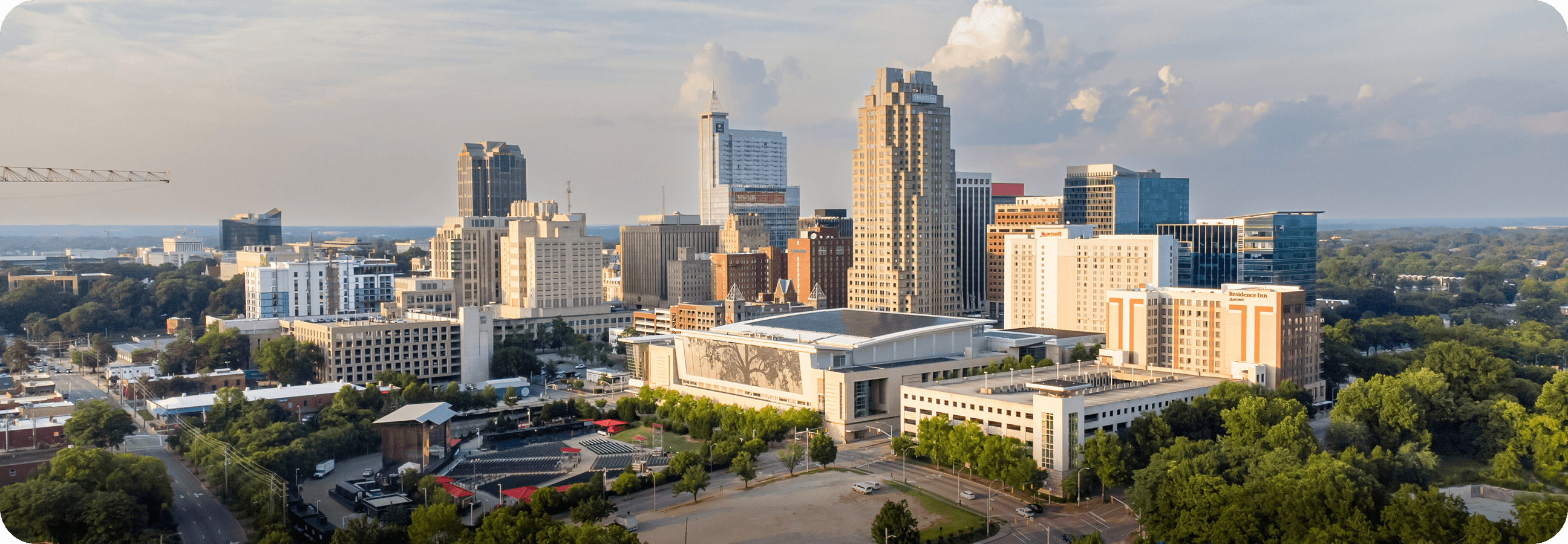
Downtown Raleigh, North Carolina. Home of the Downtown Raleigh Alliance Municipal Services District
The Challenge
Membership, business, and stakeholder data was spread across spreadsheets, inboxes, and a legacy system that no longer supported their operational needs. Renewals, outreach, and reporting all required manual coordination across multiple sources, with an expiring system adding urgency to the transition.
What District360 Delivered
A single environment that pulls membership lifecycle tracking, renewal timelines, engagement history, and every member communication into one connected record, with dashboards and reports that keep leadership and the board working from the same current view.
The Outcome
Teams now work from a shared system instead of reconciling multiple sources. Manual data entry reduced, reporting improved, and adoption increased after go-live, giving leadership a reliable, current view of membership activity across the district.
The Situation
Downtown Raleigh Alliance administers a Municipal Services District funded through a special assessment, supporting public space management, economic development, and membership-driven initiatives across Downtown Raleigh, NC.
The organization was already running a legacy system alongside spreadsheets to manage district data, yet that setup did not reflect how the district actually operated. Membership, business, and property information lived in separate places. Place managers had to manually pull data together before they could use it, and the cost and limitations of the existing system kept growing.
Membership tracking was particularly difficult to maintain. Renewals, engagement activity, and communication history were not easy to access in one place. Staying aligned required manual follow-ups and internal coordination across teams, and preparing updates for leadership meant pulling data from multiple sources and reconciling inconsistencies before anything could be presented.
There was also a timing constraint. The organization needed to move off its existing system before the contract expired. The new platform had to be rolled out quickly, without disrupting ongoing operations. Data migration, team adoption, and workflow continuity all had to be handled carefully to avoid delays or loss of information.
How We Built It Together
Rather than simply migrating records, the team rethought how information should flow across departments. District360 was configured to mirror the way Downtown Raleigh Alliance actually works, bringing membership, business, and stakeholder data into one connected, intuitive structure built around the district.
Each member was linked to their business and related contacts, creating a clear view of relationships across the district. Start dates, renewal timelines, and engagement activity were tracked inside each member record instead of scattered across separate systems. Notes, outreach, and interactions were stored alongside each member, so teams could pick up conversations without losing context between staff transitions.
With District360 in place, information from forms and other inputs was captured and structured inside the system in real time. Membership data, event registrations, sponsorship commitments, website data, email communication tools, and payment-related activity were connected, allowing teams to track membership activity without switching between platforms.
Training and ongoing support helped teams adopt the system consistently after go-live. The transition wrapped up within the required timeline, keeping continuity intact as the previous system was phased out.
If your organization runs lean and your last CRM kept asking for more than you could give it, we would like to show you what a different kind of technology partnership looks like.
Start a Conversation
The Impact
The changes at Downtown Raleigh Alliance were felt at every level of the organization, from staff doing daily outreach to leadership presenting to the board.
| BEFORE DISTRICT360 | AFTER DISTRICT360 |
|---|---|
| Membership data spread across spreadsheets, inboxes, and a legacy system | Centralized platform for all membership, business, and stakeholder data |
| No single view of member lifecycle, renewals, engagement, or communication history | Clear visibility into membership lifecycle including start dates, renewals, and engagement activity |
| Manual tracking required for renewals, outreach, and internal coordination | Reduced manual data entry through structured workflows and integrations |
| Reporting required pulling and reconciling data from multiple sources | Reports and dashboards available with consistent, reliable data |
Membership data became easier to manage and more reliable.Teams now work from a shared system instead of reconciling multiple sources. Manual effort dropped. Data entry cost tracking now went from time-consuming manual tasks. Reporting improved. Leadership can access structured reports without manual consolidation.
Adoption picked up after go-live, supported by training and internal ownership. The transition wrapped up within the required timeline, keeping continuity intact as the previous system was phased out. The foundation is now in place to further streamline operations across the district.
Each member record in District360 tracks the full lifecycle, covering start date, renewal date, engagement activity, and communication history. Place managers can see at a glance which members are active, which are coming up for renewal, and what outreach has already taken place, all without switching between systems. This approach works whether you are managing dozens or thousands of members.
Yes. Members are linked directly to their associated businesses, contacts, and properties within the same system. This connected data model means every team, whether focused on economic development, membership, or operations, works from the same source of truth rather than maintaining separate records that constantly need reconciliation.
District360 includes a complete migration process as part of implementation. Historical records from your existing system and spreadsheets are structured and imported into the new platform, preserving your member history and continuity. For example, Downtown Raleigh Alliance successfully migrated years of member records without any data loss, including records from multiple overlapping sources.
Because all membership data lives in one place, reports and dashboards are generated from the same source of truth the team uses every day. There is no need to export data from multiple systems, reconcile inconsistencies, or manually compile reports before leadership presentations. Place leaders can pull current membership activity in real time, making data-driven decisions without delays.
Implementation timelines vary based on data complexity and the number of integrations required, but most place management organizations go live within one to four weeks. District360 includes data migration, system configuration, and training, so teams are working in the new system from day one rather than being handed a tool to figure out on their own.
A single source of truth for one of the country’s most recognized downtown districts, including a Pinnacle Award-winning 311 integration.
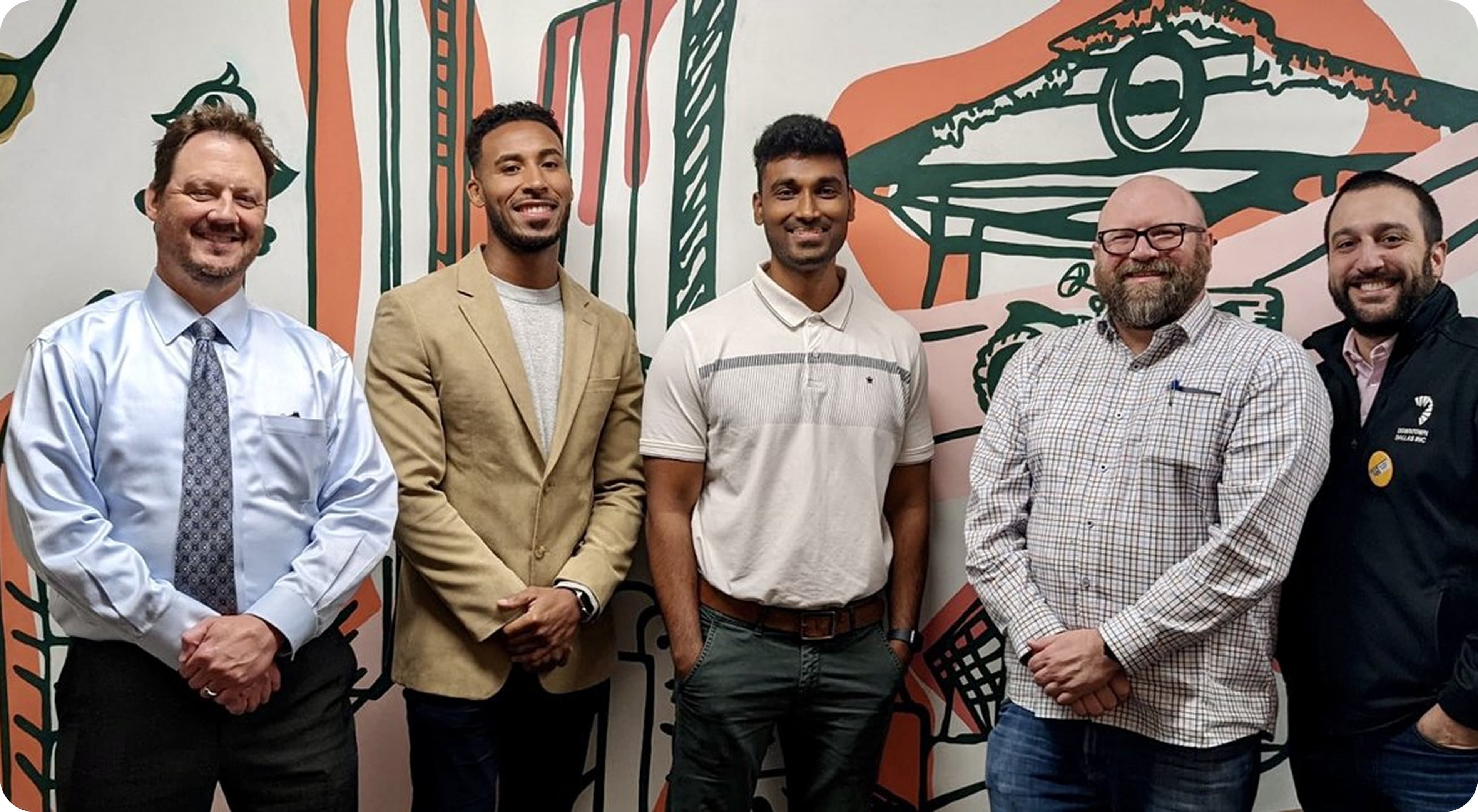
Four field teams unified on one platform, tripling cases handled per ambassador shift and cutting response times by 75%.
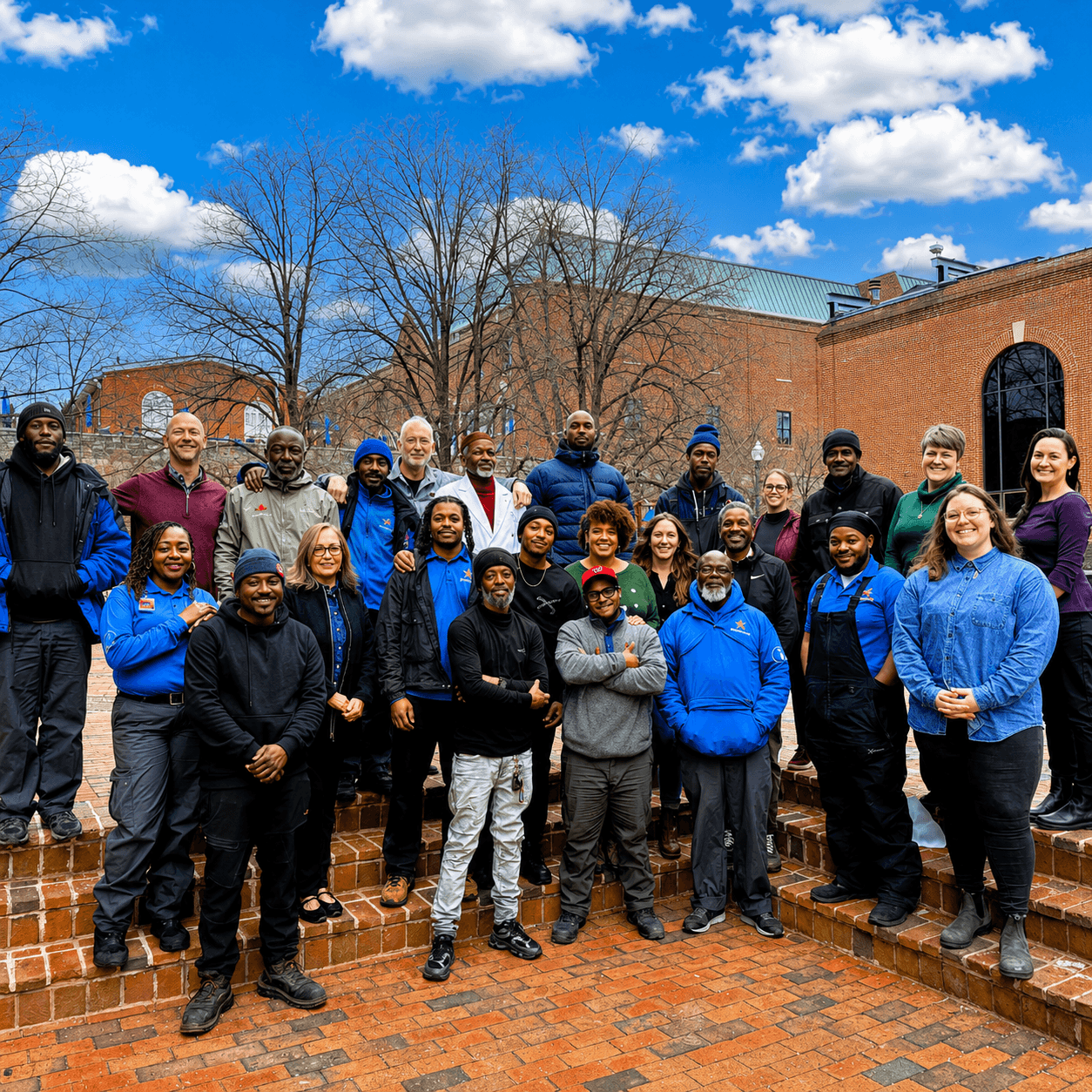
Membership sign-ups from the website that create a member record and take payment in a single step, with manual invoicing eliminated entirely.
Let’s talk about your workflows and what’s possible for your district.