CRM Platform
Contacts, segmentation, communication history, sponsorship tracking, and stakeholder engagement reporting. The foundation for all marketing and communications work.
Explore
District360 helps marketing and communications teams segment contacts, send targeted outreach, and manage every sponsor, event, and stakeholder relationship from one connected system.
For marketing directors, communications managers, engagement coordinators, and district staff responsible for outreach, events, and stakeholder communications

Most of the time, your contact data lives in one place, your email tool in another, your event info in a third, and your sponsorship tracking in a spreadsheet. District360 connects all of it.
When someone asks what was sent to a specific stakeholder, there is no easy answer. Email history, meeting notes, and outreach context live in individual inboxes and are not shared across the team.
Sponsor commitments, payment status, recognition obligations, and fulfillment tracking managed through spreadsheets and email. Renewals and follow-ups slip through the cracks.
Event details, business participation, and community engagement are tracked separately from the contacts, businesses, and stakeholders they relate to. Reporting on event impact is difficult.
Property owners in one spreadsheet, sponsors in another, board members in a third. No shared contact database. No way to segment by role, location, or relationship type without manual assembly.
There is no clear way to show the board how many stakeholders were reached, what outreach was conducted, or how engagement has changed over time.
District360 connects your contacts, communication history, sponsorships, events, and stakeholder engagement in one platform. You know who to reach, what was already sent, and what needs follow-up, without assembling it by hand.
Every contact in one database: property owners, business tenants, board members, sponsors, vendors, volunteers, and community partners. Segment by role, location, relationship type, membership tier, or any combination. Send the right message to the right group.
Integrates with Mailchimp and Constant Contact. Communication history is logged against every contact automatically. When you need to know what was sent to a stakeholder, the answer is in their record.
Sponsor commitments, pledge amounts, payment status, recognition obligations, and fulfillment tracking. Link sponsors to events, programs, and campaigns. Know who has paid, who has not, and what recognition is owed.

Track district events, connect them to contacts and businesses, and measure participation and engagement. Use event data to report on district activity, community impact, and footfall to your board and stakeholders.

Business directories, featured businesses, new openings, and district impact data connected to CRM records. When combined with D360 WebSuite, your website content stays current with live CRM data.
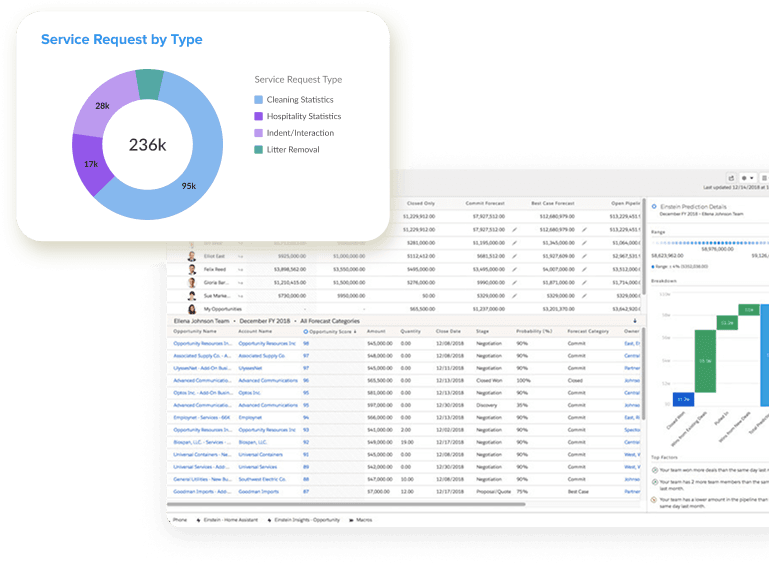
Dashboards showing stakeholder engagement, communications sent, sponsorship revenue, event participation, and outreach trends. Export for board packets and stakeholder presentations. Updated automatically.
Contacts are the same records used by economic development, operations, and executive leadership. A sponsor is also a property owner and a board member. Everything is connected. No duplicate data.
When paired with D360 WebSuite, your business directories, event calendars, available spaces, and sponsor pages can pull live data from the CRM. Less manual updating. More accurate public-facing content.
We can walk through contact segmentation, targeted outreach, sponsorship tracking, event coordination, and engagement reporting using examples from districts like yours.
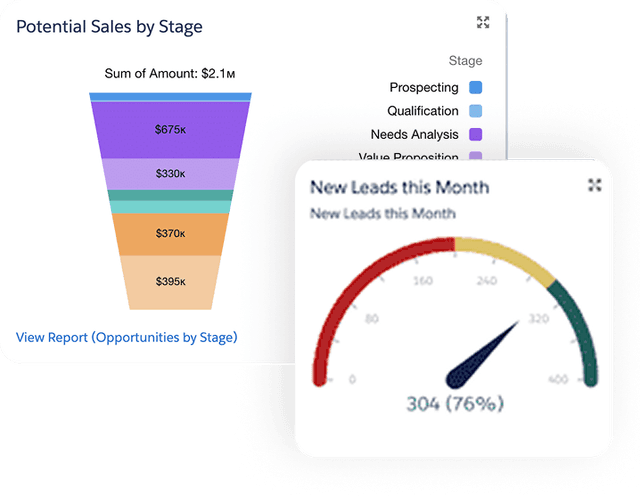
From segmenting a contact list to checking on a sponsorship renewal, everything your team tracks is in one place and up to date.
Pull a list of property owners in the north district, or all sponsors at the Gold level, or businesses that opened in the last six months. Ready in seconds.
Pull up a sponsor record: pledge amount, payment status, events supported, recognition commitments, and communication history. Walk into the call informed.
Log event attendance, connect participating businesses, and note which stakeholders attended. Build the data for board reporting and future outreach.
How many stakeholders were reached this month. Which campaigns went out. Where sponsorship revenue stands. Share a summary with the executive director.

The District360 team made setting up our platform very straightforward. They were quick to respond to any questions or issues and really tailored the system to our specific needs. I would recommend District360 to any downtown organization looking for a purpose-built management solution.
Contacts, segmentation, communication history, sponsorship tracking, and stakeholder engagement reporting. The foundation for all marketing and communications work.
ExploreYour district website designed and maintained by a team that understands downtown. Business directories, event calendars, sponsor pages, and district impact content connected to CRM data.
Explore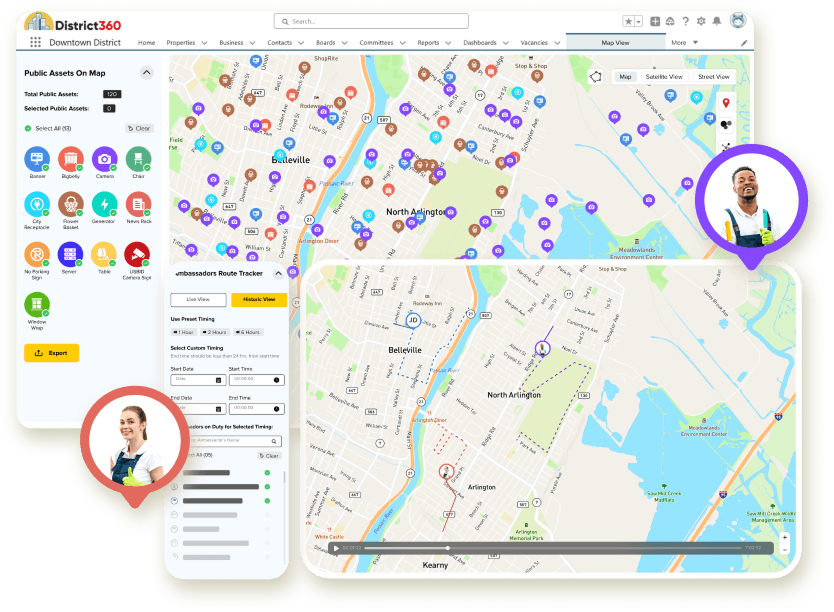
Membership management with a branded member portal. Member contacts are CRM contacts. Sponsorships, dues, and engagement tracked alongside your outreach data.
ExplorePublic space operations data that supports your district narrative. Clean, safe, and outreach program metrics you can use in stakeholder communications and board reports.
ExploreDistrict360 integrates with Mailchimp and Constant Contact. You can build segments in the CRM and push them to your email platform. Communication history is logged automatically against every contact so your team can see what was sent and when.
Yes. Every contact in District360 is tagged with their roles and relationships. You can build segments using any of these attributes, plus location, membership tier, event attendance, or custom criteria.
You can track sponsor commitments, pledge amounts, payment status, and recognition obligations in the platform. Sponsors can be linked to events, programs, and campaigns. Sponsorship revenue is visible on dashboards alongside other engagement data.
Yes. You can log event details, participating businesses, and attending stakeholders. Event data connects to contact records so you can track participation over time and include event metrics in board reports.
Yes. Dashboards track communications sent, stakeholder engagement, sponsorship revenue, event participation, and outreach trends. Reports update automatically and can be exported for board packets and stakeholder presentations.
Yes. Communication history is logged against every contact record through email integration with Outlook or Gmail. When anyone on your team opens a contact record, they can see the full history of emails, meeting notes, and outreach.
Yes. Contacts in District360 are the same records used across the entire organization. A sponsor who is also a property owner and board member shows all of those relationships in one record.
Yes. When paired with D360 WebSuite, your business directories, event calendars, available space pages, and sponsor recognition pages can pull live data from the CRM. Content stays current without manual updates.
Yes. If your district uses D360 MemberHub, member contacts are the same CRM contacts you use for marketing. You can segment by membership tier, renewal status, or engagement level and include members in your broader communications strategy.
Most districts are live within 2 to 4 weeks. Implementation includes discovery, data import, platform setup based on your terminology and workflows, role-based training, and go-live support.
Property data, vacancy tracking, tenant pipeline, and occupancy reporting
Learn more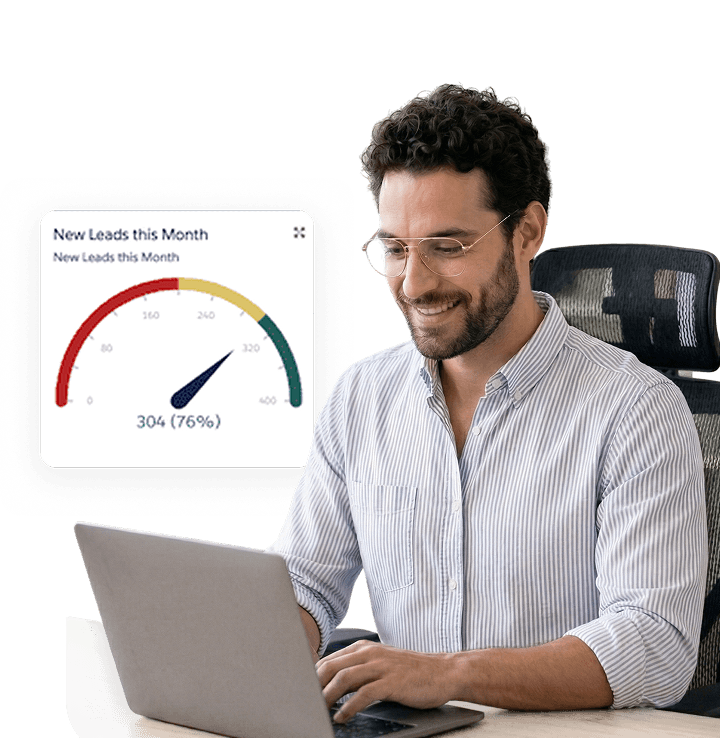
Board reporting, stakeholder oversight, and district performance
Learn more
Patrol tracking, service requests, quality of life reporting, and accountability
Learn more
We will walk through contact segmentation, email integration, sponsorship tracking, event coordination, and engagement reporting using examples from districts like yours.