CRM Platform
Properties, assessments, contacts, businesses, and district reporting. The foundation for all economic development data and relationships.
Explore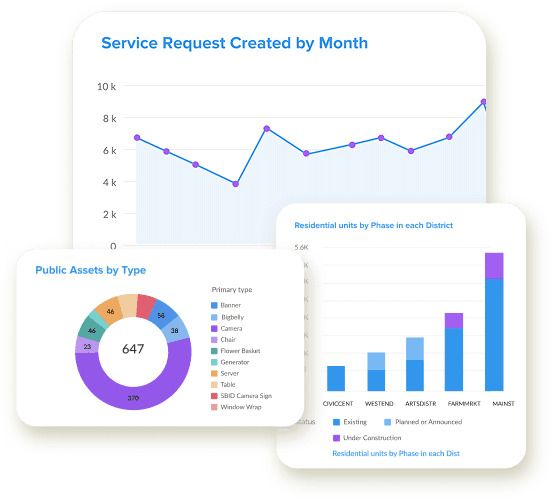
District360 helps economic development leaders turn property data, vacancy trends, and assessment performance into a coherent economic story that they can present to a board, a city partner, or a prospective investor with confidence.
For economic development leaders managing district relationships, business activity, property data, and reporting

As an economic development leader, you track district activity, maintain relationships with property owners and businesses, support openings, and report to your board and city partners. That work draws from a lot of sources. District360 brings them together in one connected system.
Important context lives across inboxes, spreadsheets, and individual team members. It is difficult to maintain a consistent view of property owner relationships, business needs, openings, closures, and outreach history.
Occupancy numbers, business activity, assessment data, and economic metrics come from different sources. Assembling a coherent report for your board or city partners takes days of manual work.
Vacancies are discovered by walking the district. There is no system tracking when a space became available, who the previous tenant was, or how long it has been empty.
Property ownership changes, missed collections, and assessment discrepancies are difficult to spot when records live in a separate spreadsheet from your property and contact data.
District360 connects properties, businesses, contacts, assessments, and district reporting so you can manage relationships, track activity, and report with confidence — without pulling from separate sources every time.
Look up any property and see ownership, square footage, use type, occupancy status, current tenants, assessment history, service requests, and board associations in seconds. One record with everything connected.
Assessment data by property with collection status, year-over-year comparisons, and ownership changes. Catch missed revenue and discrepancies. Report assessment performance to your board and city with data that holds up.
Keep key property owner and business relationships organized. Track ownership changes, business openings and closures, outreach history, and the information you need to support businesses and help property owners position available spaces more effectively.

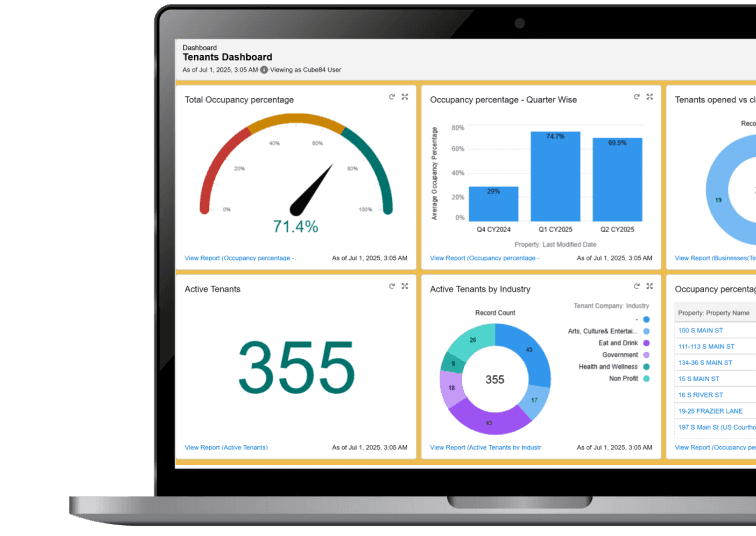
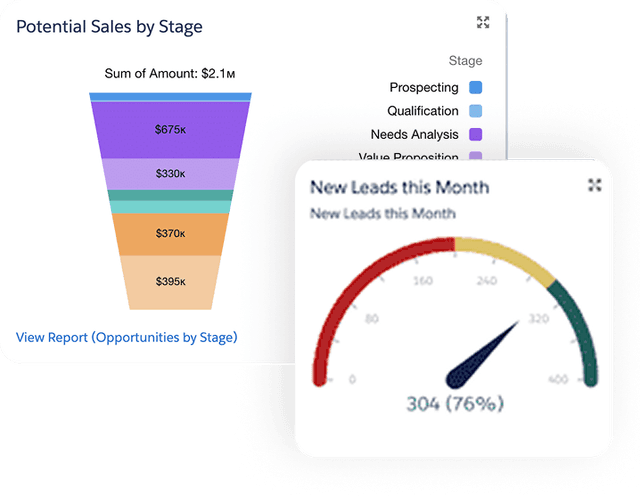
Dashboards showing occupancy rates, business openings and closures, assessment collections, and district-wide economic performance. Exportable for board packets, city presentations, and stakeholder updates. Updated automatically with live data.

Track district events, business activity, and related engagement that help bring people downtown. Connect event activity, business participation, and economic reporting in one place.
Track available spaces, lease timing, vacancy duration, and related property details in one place. Understand where vacancies exist and how availability is changing across the district.
We can walk through board reporting, assessment data, stakeholder management, and district dashboards using examples from districts like yours.
From a quick property lookup before a meeting to pulling an occupancy report for your board, the information you need is already there.
See openings, closures, available spaces, business changes, properties, and related district activity in one dashboard.
See ownership, recent interactions, property details, business context, and the relevant information you need to support the meeting.
Track follow-ups, relationship notes, district context, and the information needed to support property owners and businesses.
Occupancy trends, new openings, closures, assessment collections, and economic performance dashboards exported directly into the board packet.
Every report updates automatically with live data. Export for board packets, city presentations, and stakeholder meetings.



District360 is a powerful platform for managing property and assessment data. The team is highly competent, detail-oriented, and creative when it comes to building new features. Over our three-year partnership, they have been present at every step and genuinely care about building tools that work for us.
Properties, assessments, contacts, businesses, and district reporting. The foundation for all economic development data and relationships.
ExplorePublish available spaces, business openings, economic development pages, and district impact stories on your website. Connected to CRM data so content stays current.
Explore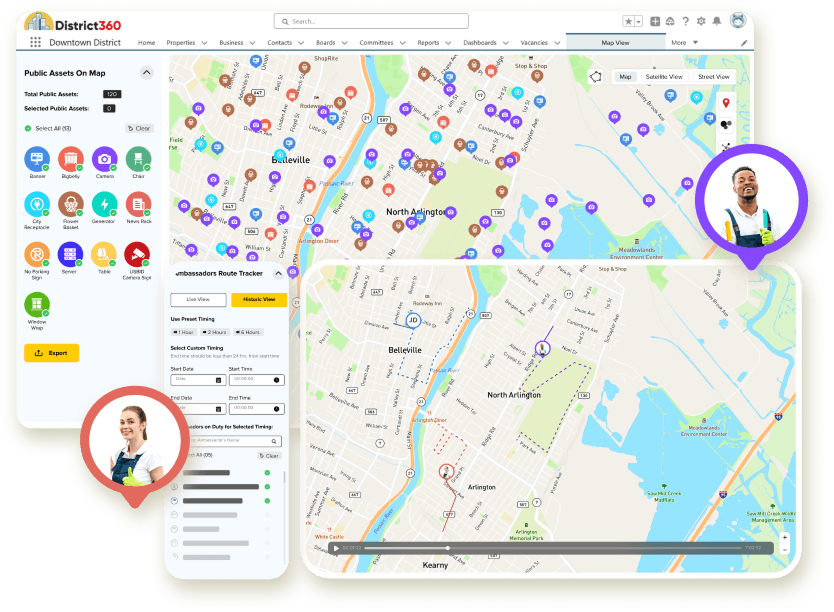
Member businesses are contacts in the same CRM where you track properties and economic activity. Membership, sponsorship, and business data all connected.
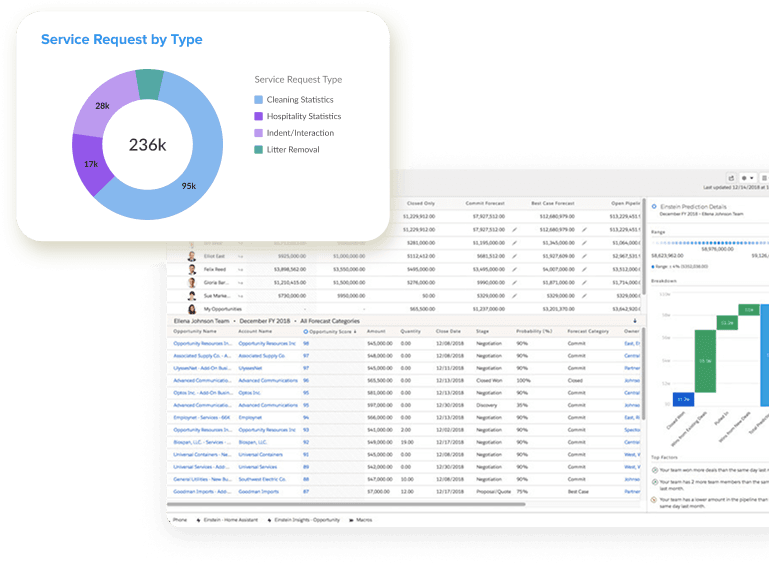
ExploreService request and public space data ties to properties and businesses. When a stakeholder asks what you have done for their building, the data is already there.
ExploreDistrict360 helps economic development leaders manage property data, business information, assessments, ownership changes, openings and closures, occupancy trends, stakeholder relationships, and district reporting. It connects all of this information in one platform so you can understand the economic health of your district and report it clearly to your board and city.
Yes. Every property owner, business, and stakeholder is a contact in District360’s CRM Platform. You can see their properties, assessment history, communication history, outreach notes, and related activity in one record. When staff turn over, the relationship history stays in the platform.
Every property is tracked with its assessment amount, collection status, ownership history, and year-over-year changes. You can catch missed collections, identify discrepancies from ownership changes, and report assessment performance with data you can trust.
Yes. Dashboards track business openings, closures, occupancy trends, assessment collections, and economic performance over time. Reports update automatically with live data and can be exported for board packets, city presentations, and stakeholder updates.
Yes. Property ownership changes, business openings and closures, tenant transitions, and related events are all tracked over time. You can look up any property and see its full history in seconds.
Yes. You can track available spaces, lease timing, vacancy duration, and related property details. Vacancy tracking is part of the platform, but it is one component of a broader set of economic development tools. It does not need to be your primary workflow to get value from District360.
No. Some districts actively track prospective tenants and business interest. Others do not. District360 supports prospective tenant tracking for organizations that need it, but it is not required. The platform provides value through property data, assessments, business tracking, relationship management, and reporting regardless of whether you manage a formal pipeline.
Yes. You can track district events, connect event activity to business participation and stakeholder engagement, and include event and activity data in your economic reporting. This helps communicate the broader impact of district programming to your board and city.
Yes. Dashboards pull live data for assessment collections, occupancy rates, business activity, openings and closures, and district-wide economic performance. Reports can be exported for board packets and city presentations. Most economic development leaders can generate a board-ready report in minutes rather than days.
Yes. Economic development data is part of the District360’s CRM Platform. Properties, businesses, contacts, and assessments connect to board governance, membership, operations, and communications. Your executive director, operations team, and marketing team all work from the same connected data.
Yes. If you use D360 WebSuite, available spaces, business directories, economic development pages, and district impact data can be published on your website and connected to CRM data so they stay current automatically.
Most districts are live within 2 to 4 weeks. Implementation includes discovery, data import, platform setup based on your terminology and workflows, role-based training, and go-live support.
Board reporting, assessment oversight, stakeholder relationships, and district-wide performance
Learn more
Patrol tracking, service requests, quality of life reporting, and accountability
Learn more
Contact segmentation, targeted outreach, email integration, and engagement
Learn more
We will walk through property and business data, assessment reporting, openings and closures, economic performance dashboards, and district reporting using your district's data structure.