logo
Outlook

Downtown Districts Guide to Events & Promotions Ideas for Halloween

Halloween in Your Downtown, Done Well

Halloween is one of the biggest single weekends of activation a downtown gets all year. It pulls families out for the daytime, brings adults into bars and restaurants after dark, and gives every business a real reason to be part of something the whole district is doing together. The challenge usually isn’t the programming. It is keeping the coordination from falling apart in the two weeks leading up to it.

Downtown Halloween event activation
Why this matters

The reason Halloween often feels chaotic isn’t the events. It’s the absence of one place to run them from.

Sponsors to confirm. Vendors to schedule. Twenty businesses to email. Five social posts to draft. A dozen tasks to assign across the team. The programming is the easy part once that backstage layer has somewhere clean to live.

Why this matters

Few weekends give a downtown team more leverage than Halloween.

Halloween is the rare program that works across every part of the district. Families show up for the daytime activations. Restaurants and bars get a costume crowd at night. Every storefront has a reason to participate because the theme runs across the whole calendar. When it runs well, the foot traffic, social engagement, and retail tie-ins compound across two weeks of programming, not a single evening.

The reason it often feels chaotic is rarely the events themselves. Most downtown teams know how to run a contest or a market. The chaos lives in the coordination work underneath: sponsors that need confirming, vendors that need scheduling, twenty businesses to email about the window display contest, five social posts to draft, and a dozen tasks to track across the team in the final week.

A good Halloween program is mostly an exercise in keeping the backstage clean.

What to run

Ten program ideas.

Each of these has been run by downtown teams in some version. Pick the ones that fit the energy of your district and the kinds of businesses you have, not the ones that look biggest on paper.

Bucket 1

Street-level activation

Programs that bring people into the district, get them moving block to block, and give every business a reason to be part of it.

  • Spooky Scavenger Hunt: Halloween-themed clues spread across the district.
  • Costume Contest Crawl: A pub crawl judging the spookiest attire.
  • Halloween Carnival: Games, rides, and a pumpkin patch in a public space.

Bucket 2

Family-friendly daytime

Daytime programming that turns Halloween into a destination for the whole weekend, not a single evening.

  • Pumpkin Decorating Party: Families gather in a public park with supplies provided.
  • Halloween Window Display Contest: Every storefront becomes part of the show.
  • Scary Movie Marathon: Outdoor screen, food stalls, and classic horror.
Bucket 3

Creative and after-dark

The programming that gives your district a personality past 8pm and brings in audiences your daytime events miss.

  • Costume Contest: Central location, judges, and category prizes.
  • Halloween Art Exhibition: Local artists and themed work.
  • Witch’s Market: Vendor market for crystals, tarot, and themed pastries.
  • Monster Mash Dance Party: Street closure, DJ, and a costumed crowd.
Downtown Halloween street activation
Set the mood

The playlist matters more than people admit.

A consistent Halloween playlist running across all of your activations is one of the small things that makes a multi-event weekend feel like a single program. Our team curated the Haunted District Halloween Playlist

Setting it up

Coordinating it all in one place.

Once the programming is locked, coordination is what either makes the next two weeks calm or chaotic. Major Initiatives, the campaign-management module inside District360, is built for exactly this kind of multi-business, multi-vendor program. If you are using District360, the entire campaign comes together in five steps, and most teams have it ready to run in an afternoon.

01

Set up the campaign

Create a new Major Initiative inside District360 and fill in the basics: name, type (Event), funding source, budgeted cost, and expected revenue if it is a ticketed program. Most teams complete this step in under five minutes.

02

Add the roles

Bring in sponsors, vendors, partners, associated properties, and participating businesses. Each role is assigned to a record that links back to the source business or contact, so nothing gets re-keyed.

03

Track the work

Assign tasks, log notes, and keep activities in one place. Files, notes, and activities all live on the campaign record, so whether it is one person or a team of five, nobody is chasing each other for status updates anymore.

04

Send the email

One click sends to every sponsor, vendor, or partner contact connected to the campaign. No copying lists between tools, and no chasing who got the last update.

05

Read the result

After the event, the report view shows total budget, budget raised, and the breakdown by initiative type. Compare it to the same event last year, side by side, without rebuilding a spreadsheet.

The platform isn’t here to make Halloween a tech project. It is here to take everything that usually eats the last two weeks — the sponsors, vendors, tasks, and status updates — and put it somewhere everyone on the team can see at once. By the time the event opens, you should have stopped sending status emails and started watching the program run. The post-event report builds itself, with sponsors, vendors, contributions, and spend already attributed to the right initiative.

Have your Halloween program land without the last-week scramble.

We help downtown teams set up Major Initiatives with the campaigns, roles, and reporting they need before October even starts. Most rollouts take an afternoon, and the post-event report builds itself once the event runs.

WHERE THIS LEAVES US

A good Halloween is mostly a clean backstage.

The programming is rarely where downtown teams fall short. Coordination is what breaks first. When the campaign, the roles, the tasks, and the reporting all live in one place, the last two weeks stop being a scramble and start being the part of the year you look forward to.

Which two ideas from the list fit your district’s businesses, the way they actually operate?

Where did your last big seasonal program lose time on coordination?

What would the two weeks before Halloween look like if every sponsor and vendor lived in one record?

Questions that come up when teams plan a Halloween program.

Six to eight weeks out is the realistic floor. Sponsors and vendors take the longest to confirm, and the closer to the event you get, the more competition you have for their time. The teams that run the cleanest Halloween weekends usually have the campaign shell in District360 by mid-September, even if the specific events are still being shaped.

Pick three or four. The temptation is always to do more, and the actual lift comes from doing fewer programs really well. Three programs that hit hard beat ten that all underdeliver. Pick one anchor like a contest or a carnival, one daytime family draw, and one after-dark draw. That covers the audience and gives you something to anchor your social calendar around.

Inside Major Initiatives, each event can be its own initiative under a parent Halloween campaign, with its own budget, sponsors, and revenue. The roll-up happens automatically at the campaign level, so you can see the total picture at the top and the per-event detail underneath without rebuilding a spreadsheet.

Roles in District360 are scoped to the specific initiative they belong to. A sponsor can be tied to the Costume Contest only, to two events, or to the whole season, and the reporting separates the contributions cleanly. Funding details and donor acknowledgement letters are tracked at the role level, so nothing gets lost when an annual report is being assembled.

Yes. Most teams duplicate the Halloween campaign as the starting structure for Thanksgiving, the holiday lights program, and the spring activation cycle. Reusing the same shape for each campaign is what eventually makes year-over-year comparisons useful instead of approximate.

Continue reading.

Data-driven decisions for downtowns
Outlook · Data

How Data-Driven Decision-Making Transforms Downtown Districts

Measuring success key metrics
Outlook · Metrics

Measuring Success: Key Metrics Every Downtown District Should Track

IDA Place Matters 2026 conference
Outlook · Leadership

IDA Place Matters 2026: Downtown Leader Takeaways

Putting your Halloween program together?

We will walk you through what the campaign setup looks like for your district.

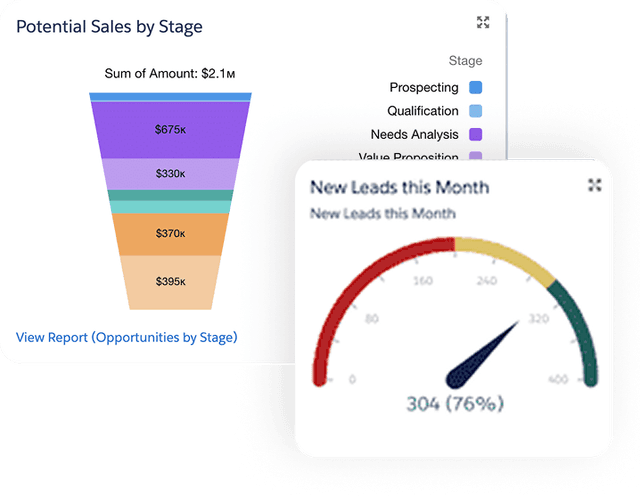
District360 dashboard preview