Small Events, Big Impact.
Why Micro Events Are Winning Community Engagement.
Bigger isn't always better. In fact, when it comes to building real community, the opposite might be true.
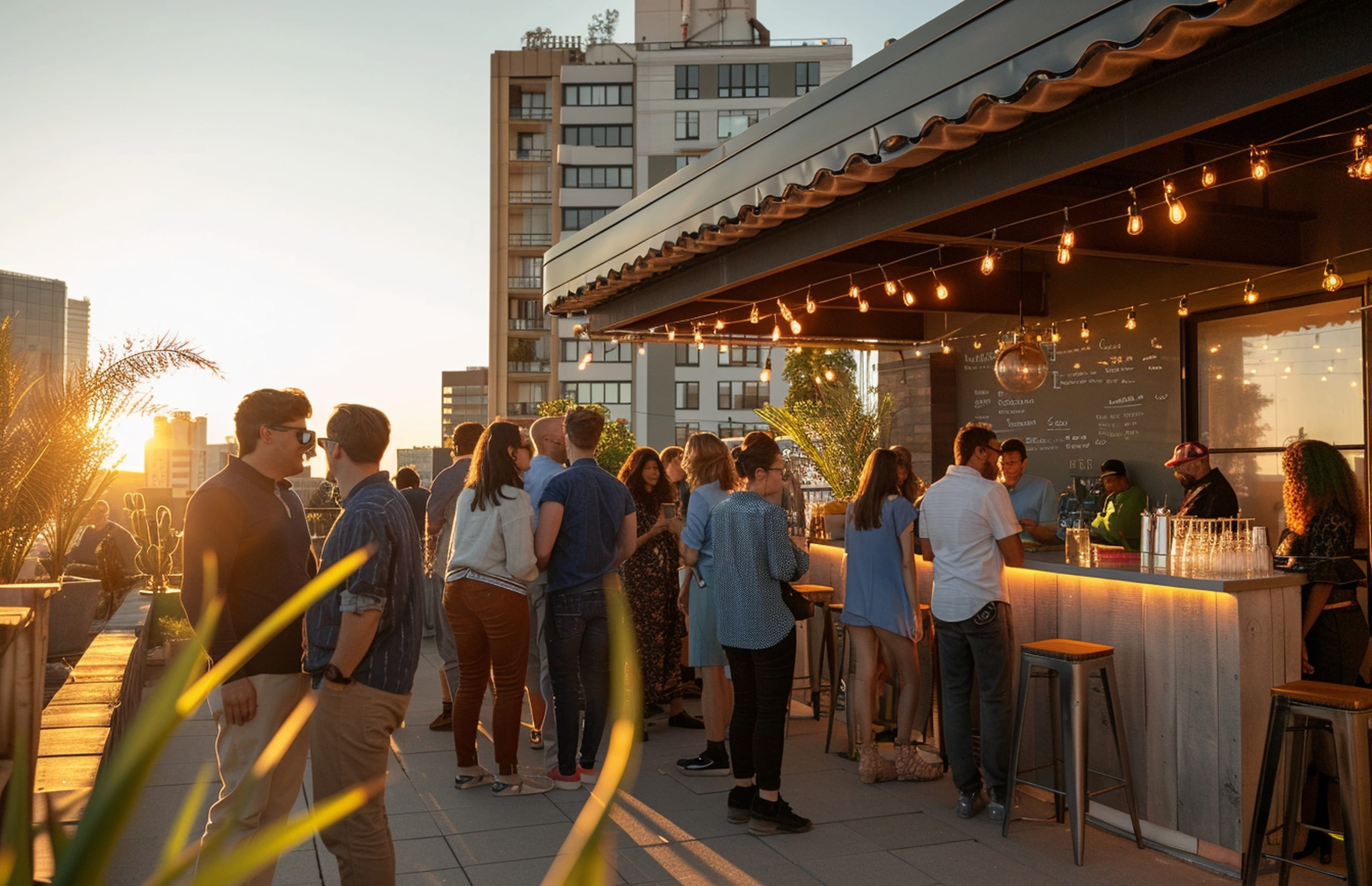
Small, intentional gatherings can create deeper impact than large, expensive events.
At a recent session on micro events, leaders from Sacramento’s River District shared this insight—and backed it up with real-world results.
The Problem with Big Events
Many organizations default to large-scale festivals and activations. They seem exciting, visible, and high-impact.
But behind the scenes, they often:
- Require significant budgets
- Put strain on local businesses
- Carry high risk if attendance is low
In one case, a $30,000 festival drew almost no crowd—leaving vendors frustrated and organizers scrambling.
That failure led to a pivot.
What this piece covers
The problem with big events
Why large-scale activations often cost more than they return.
The shift to micro events
What small and strategic looks like in practice.
Meet people where they are
How moving events into neighborhoods changed attendance.
What makes a micro event work
The four ingredients that create energy without a big budget.
Build with the community
Why co-creation produces better outcomes than top-down programming.
The takeaway
Connection, not entertainment, is the goal.
The Shift to Micro Events
Instead of going big, the team started going small and strategic.
Micro events are:
- Low-cost
- Easy to execute
- Highly adaptable
- Focused on connection over spectacle
And most importantly—they meet people where they are.

Meet People Where They Are
One of the biggest breakthroughs came from a simple realization:
If people aren’t coming to you, go to them. Instead of hosting meetings in offices, the team moved events into neighborhoods—literally into residents’ backyards and streets.
Block parties became a cornerstone:
- Hosted directly in residential areas
- Designed for casual drop-in participation
- Focused on neighbors meeting neighbors
The result? Higher turnout, stronger relationships, and a more engaged community.
What Makes a Micro Event Work
You don’t need a massive production to create impact. You need the right ingredients:
1. Music Sets the tone instantly and draws people in.
2. Free Food Simple, accessible, and effective—whether it’s popcorn, popsicles, or donated treats.
3. Activities for All Personality Types
- Introverts: art, crafts, low-pressure engagement
- Extroverts: games, social interaction
4. Local Partnerships Invite businesses, nonprofits, and community groups to participate—not just as vendors, but as collaborators.
These elements aren’t complicated—but together, they create energy.
The work of building community deserves a home.
District360 gives your event records, local partnerships, attendee data, and community feedback a single place to live—so the relationships your team builds in the street do not get lost in someone’s inbox.
Build With the Community, Not For It
One of the strongest themes of the session was co-creation.
Instead of guessing what people want, micro events allow you to:
- Test ideas quickly
- Gather real-time feedback
- Adjust and improve
For example:
- A Halloween event evolved into a “costume parade” based on neighborhood layout challenges
- Park programs shifted timing based on weather feedback
- Community-created art became public installations
This iterative approach builds trust—and better outcomes.
Support Local Businesses (Without Overburdening Them)
A key insight: businesses don’t always want to set up booths or transport inventory to events.
Often, they prefer:
- Direct customer traffic
- Simple sponsorship opportunities
- Visibility through promotion
Micro events can:
- Drive people into businesses
- Highlight them through giveaways or partnerships
- Create ongoing engagement without heavy lift
It’s a win-win.
Start Small, Think Big
What starts as:
- A 60-person block party
Can grow into:
- A recurring neighborhood program
- A larger signature event
- A stronger, more connected community
But it starts with keeping things simple.
Embrace Failure (and Learn Fast)
Not every idea works—and that’s part of the process.
The key is to:
- Test quickly
- Learn openly
- Adapt continuously
Or as the speakers put it: “Fail forward.”
The Takeaway: Connection Is the Goal
At their core, micro events aren’t about entertainment.
They’re about:
- Building relationships
- Strengthening trust
- Creating belonging
And research backs it up—communities with strong social ties are more resilient, safer, and healthier.
You don’t need a massive budget or a headline act to bring people together.
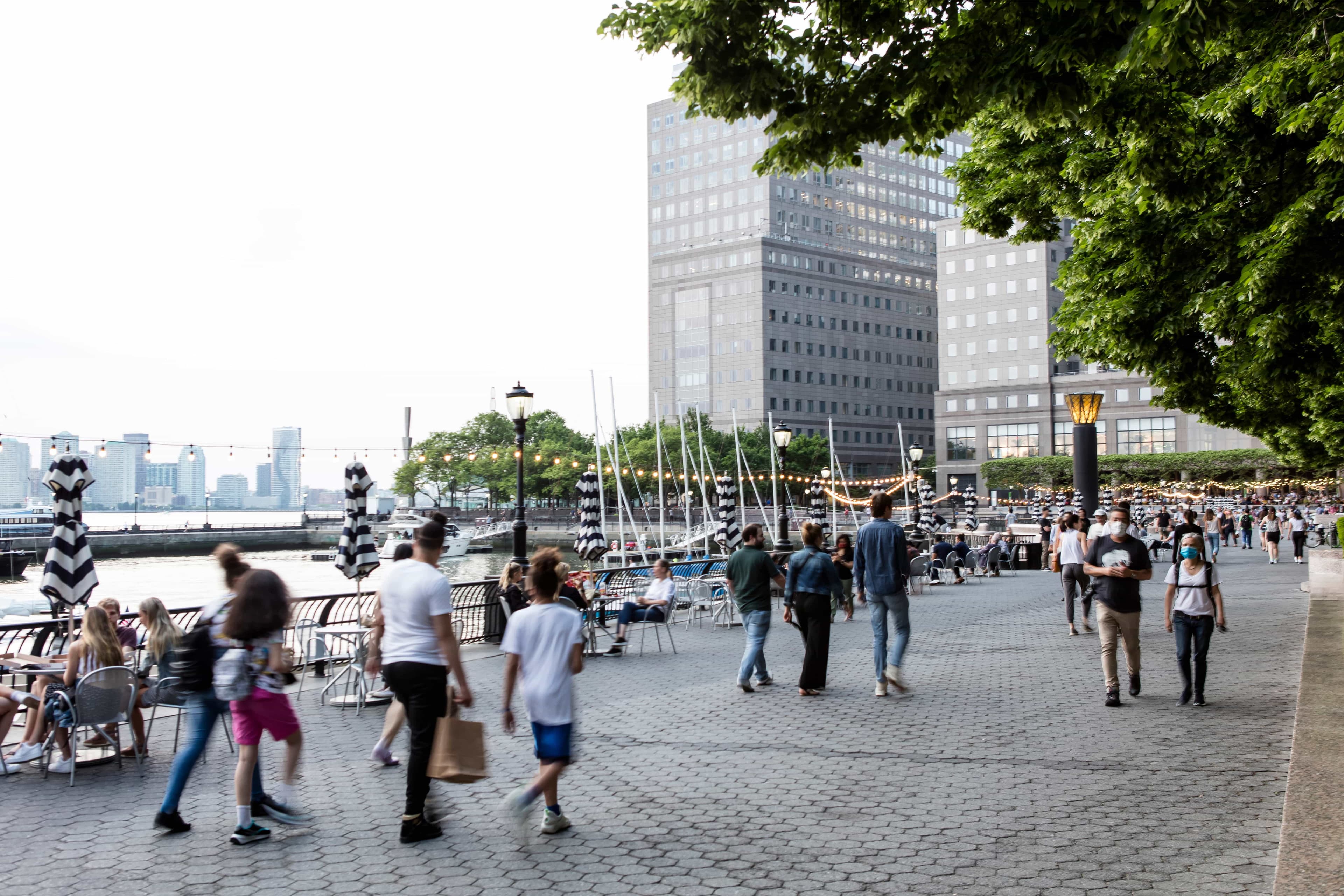
Sometimes, all it takes is a street, a few neighbors, some music, and a reason to connect.
Because in the end, it’s not the size of the event that matters. It’s how it makes people feel—and who it brings together.
A street
A few neighbors
Some music
And a reason to connect
Planning micro events in your district?
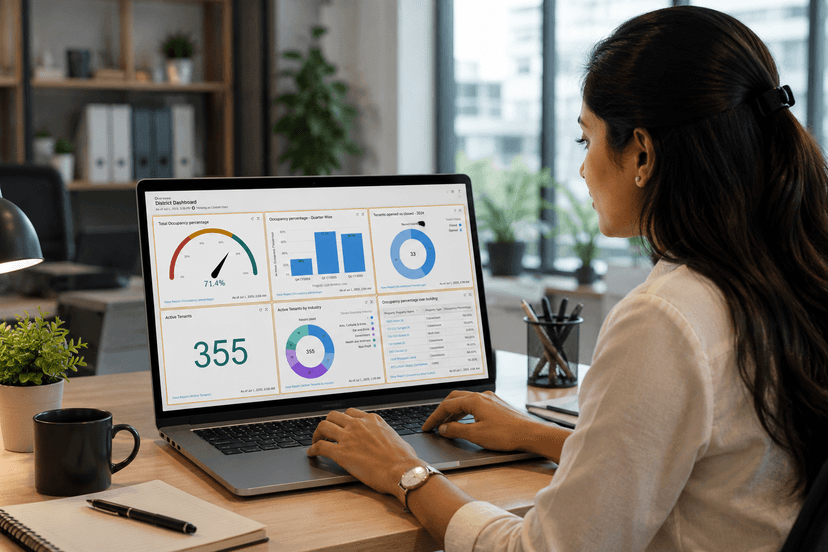
District360 helps downtown teams track events, measure community engagement, and maintain the stakeholder relationships that make programming like this possible. We would be glad to show you how.


Thinking about your event calendar for the year ahead?
District360 supports the data foundation that makes it easier to plan, run, and measure community events.